Premier Window Tinting Service in Indian Land, SC

Driving along Highway 521 through Indian Land and across the greater Charlotte metropolitan border exposes vehicles to intense solar radiation and stifling Carolina heat throughout much of the year. Whether you are navigating daily rush-hour commutes, running weekend errands around Promenade at Carolina Mall, or heading across the state line into Ballantyne, the harsh Southern sun rapidly transforms vehicle cabins into oppressive heat traps while subjecting passengers to unrelenting glare.
Beyond day-to-day discomfort, unfiltered ultraviolet (UV) and infrared rays continuously attack your vehicle's interior surfaces. Leather upholstery dries and cracks, vinyl dashboards fade and split, and onboard digital touchscreens face premature thermal degradation. Standard factory glass offers minimal defense against the solar spectrum, allowing heat buildup that forces climate control systems into overdrive and reduces overall fuel economy or electric vehicle driving range.
Professional automotive window tinting delivers an immediate, long-lasting solution tailored specifically to Indian Land motorists. When choosing a premier Window tinting service in Indian Land, SC, local drivers gain remarkable infrared heat rejection, 99% UV blockage, enhanced cabin privacy, and a refined exterior aesthetic that preserves vehicle value for years to come.
Table of Contents
Jump directly to any section of this comprehensive service guide.
Comparing Window Film Technologies: Dyed, Carbon, and Ceramic
Automotive window tinting has evolved dramatically from the basic cosmetic enhancements of past decades into highly sophisticated optical technologies. Today, when seeking a premier Window tinting service in Indian Land, SC, vehicle owners can select from multiple distinct film compositions, each engineered to address specific requirements regarding aesthetic appearance, thermal control, durability, and cost. Understanding how these materials differ at the structural level empowers you to choose the exact specification that complements your daily driving demands.
Entry-level dyed window films are manufactured by placing an absorbent layer of dye between adhesive and protective polyester coatings. These films primarily darken your vehicle’s glass to deliver enhanced privacy and reduce initial glare. While dyed options represent an economical entry point, they absorb solar energy rather than reflecting it away. Over continuous exposure to intense Southern sunshine, dye molecules gradually break down, frequently causing the tint to fade, bubble, or take on an unwanted purple hue with limited heat rejection.
Carbon window films represent a significant performance leap by embedding microscopic carbon particles directly into the film substrate. Because carbon does not degrade under prolonged ultraviolet exposure, these films maintain their deep, matte-black aesthetic indefinitely without discoloring. Furthermore, carbon films deliver dependable infrared heat blocking capabilities without incorporating any metallic particles, ensuring zero interference with cell phone reception, GPS navigation, satellite radio, or keyless entry signals.
At the pinnacle of window film engineering sits nano-ceramic technology. Ceramic films incorporate microscopic, non-conductive ceramic nanoparticles that selectively target and block broad-spectrum infrared heat while maintaining outstanding optical clarity. Even in lighter VLT (Visible Light Transmission) shades, ceramic tint achieves exceptional Total Solar Energy Rejection (TSER). This allows Indian Land motorists to achieve maximum heat defense and interior comfort without necessarily darkening their glass to illegal or visibility-reducing thresholds.
The Science of Solar Control: Infrared Rejection and Cabin Cooling
To understand why professional window tint is essential in Lancaster County, it is helpful to examine the solar energy spectrum that strikes your car each day. Sunlight reaches the earth in three primary forms: ultraviolet radiation (accounting for roughly 3% of solar energy), visible light (representing about 44%), and infrared radiation (comprising approximately 53%). While visible light allows us to see, invisible infrared rays are the dominant factor responsible for the blistering heat that penetrates untreated automotive glass.
Many drivers mistakenly evaluate tint solely by how dark it looks, believing that darker glass automatically stops more heat. In reality, darkness is simply a measure of Visible Light Transmission (VLT). Standard dyed dark tint blocks visible light but allows infrared heat to radiate straight into the cabin. The true benchmark of a film's thermal efficiency is its Total Solar Energy Rejection (TSER), an exhaustive calculation that balances infrared rejection, visible light filtering, and UV absorption into a comprehensive performance rating.
Advanced ceramic window films utilize molecular-grade ceramic matrices to actively reject up to 80% to 95% of incoming infrared heat. Instead of merely storing thermal energy within the glass pane until it eventually radiates into your seating area, ceramic particles scatter and bounce infrared wavelengths back into the atmosphere. This scientific barrier creates an immediate, noticeable temperature drop inside the vehicle, even when parked in direct midday sun.
For Indian Land commuters navigating heavy traffic between Highway 521, Lancaster Highway, and Interstate 485, superior solar control delivers tangible everyday benefits. Cabin temperatures remain stable, allowing air conditioning systems to operate smoothly at lower fan speeds. This not only creates a quiet, serene driving environment but also relieves mechanical strain on engine components and preserves critical battery range in modern hybrid and electric vehicles.
Navigating South Carolina Window Tint Laws and Compliance
When upgrading your vehicle with aftermarket window tint in Indian Land, full compliance with South Carolina state statutes is paramount. The South Carolina Department of Public Safety enforces precise regulations governing visible light transmission (VLT) to maintain roadway safety and ensure clear sightlines for both drivers and law enforcement personnel. Partnering with an experienced local installation facility ensures your vehicle satisfies all legal criteria while maximizing thermal and aesthetic advantages.
Under South Carolina Code Section 56-5-5015, passenger cars such as sedans, coupes, and station wagons must allow more than 27% of available light to pass through tinted windows. This 27% VLT benchmark applies uniformly across all side glass—including both front driver and passenger doors—as well as the entire rear windshield. Furthermore, window films applied to side and rear windows cannot exceed a 20% luminous reflectance rating, preventing mirror-like surfaces that could create dangerous road glare for oncoming drivers.
The statutory framework features distinct criteria for multi-purpose passenger vehicles (MPVs), which encompass sport utility vehicles (SUVs), pickup trucks, passenger vans, and crossovers. While the front driver and passenger side windows on MPVs must strictly observe the 27% VLT threshold, the windows behind the driver—including rear side passenger windows and the back tailgate glass—are legally permitted to utilize darker tint shades, provided the vehicle is equipped with dual functional side exterior mirrors.
Windshield tinting is also tightly regulated across South Carolina. Tint may only be applied to the uppermost portion of the front windshield, terminating at or above the manufacturer's AS-1 line (or extending no further than the top 4 inches of glass if no line is marked), and must be completely non-reflective. Because Indian Land directly borders North Carolina—where the legal threshold is 32% VLT—choosing a knowledgeable local installer guarantees you receive proper certification documentation and advice for seamless interstate travel across the greater Charlotte metropolitan area.
Preserving Vehicle Interiors and Enhancing Visual Clarity
While thermal comfort is often the initial motivation for window tinting, solar protection plays an equally vital role in preserving your vehicle’s physical interior. Solar radiation is relentlessly destructive to automotive cabins, especially in the South Carolina climate where vehicles endure sustained periods of high ambient temperatures and unfiltered solar exposure. Left unprotected, premium factory finishes begin to degrade within just a few seasons.
Ultraviolet radiation (both UV-A and UV-B wavelengths) acts as a powerful catalyst for photochemical breakdown. Natural oils within leather upholstery dry out, causing supple seating surfaces to stiffen, crease, and crack prematurely. Similarly, molded vinyl dashboards, plastic interior trim panels, and synthetic fabrics undergo rapid oxidation, fading, and brittle fracturing. High-performance window films integrate robust UV inhibitors that filter out greater than 99% of harmful UV rays, functioning as an enduring sunscreen that preserves your interior’s showroom luster.
Beyond cosmetic preservation, window tinting addresses the growing vulnerability of modern automotive electronics. Contemporary vehicles are outfitted with large infotainment displays, digital gauge clusters, touch-sensitive climate controls, and integrated safety sensors. Concentrated cabin heat and continuous solar exposure can lead to pixel degradation, touch-response lag, and thermal rebooting. Premium solar films effectively shield these sensitive electronic systems from excessive thermal stress and prolonged UV exposure.
Finally, visual clarity and driving safety are vastly elevated through professional glare reduction. The harsh Carolina sun often creates blinding reflections off pavement, metallic vehicle surfaces, and bodies of water, inducing ocular fatigue during morning and afternoon drives. Quality window films filter out harsh glare spikes while retaining exceptional, distortion-free optical transparency. Drivers enjoy crisper roadway perception, reduced eye strain, and heightened safety during both daytime journeys and night driving when facing aggressive LED headlights.
Precision Installation: Computerized Plotting and Clean-Room Standards
The long-term performance and aesthetic beauty of automotive window tint depend just as heavily on the skill of the installer as on the quality of the film itself. Premium film applied with substandard techniques will inevitably suffer from light gaps, jagged borders, trapped debris, and premature edge peeling. At an elite installation facility, meticulous standards and modern digital tooling govern every phase of the application workflow.
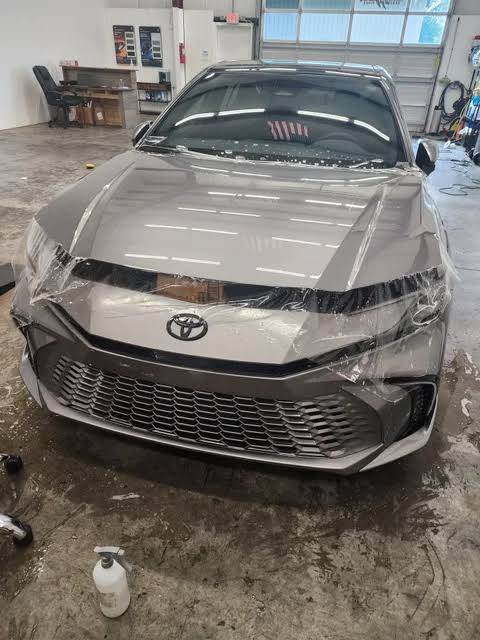
A hallmark of high-tier craftsmanship is the implementation of computerized plotting systems. Rather than utilizing razor blades directly against your vehicle’s exterior glass to hand-cut film patterns, digital plotters use laser-measured CAD templates specific to your vehicle’s exact year, make, model, and trim level. This precision pre-cutting eliminates any risk of blade scratches on delicate automotive glass, accidental scoring of rubber gaskets, or nicking of electrical defroster lines.
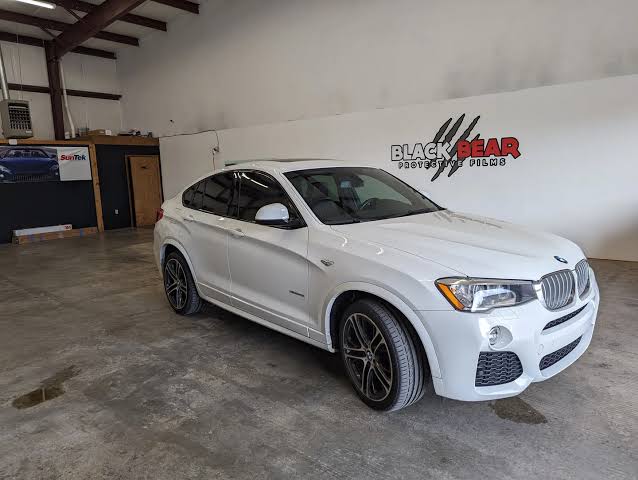
Environmental control during application is equally vital. High-grade window tinting should never be performed in open-air driveways, breezy carports, or cluttered mechanical bays where airborne dust, pollen, and road grime circulate freely. Professional facilities utilize sealed, climate-controlled installation bays equipped with ambient air filtration and floor misting systems to suppress micro-contaminants, ensuring crystal-clear bonding between the film and glass substrate.
The installation protocol begins with multi-step mechanical and chemical glass decontamination to remove invisible sap, oils, and microscopic grit. Installers then utilize specialized slip solutions and calibrated squeegee pressure techniques to evacuate every droplet of moisture from the adhesive matrix. Finally, micro-edge shaving techniques are executed along frameless and roll-down windows, creating a seamless factory-finished appearance that extends cleanly to the window’s upper bevel without unsightly gaps.
Post-Installation Curing Care and Proper Maintenance Protocols
Following the professional application of your window tint, the film begins an essential bonding and curing phase. Window film is applied wet utilizing a specialized slip formula, which means microscopic pockets of moisture remain trapped between the polyester film layer and the automotive glass immediately after installation. Allowing this moisture to evaporate naturally is crucial for achieving full adhesive bond strength and optical clarity.
During the initial 48 to 72 hours, Indian Land vehicle owners must refrain from rolling down any tinted windows. Operating the power windows while the adhesive is still tacky can catch the bottom weatherstripping gasket, causing film corners to lift, peel, or crease irreversibly. It is entirely standard to notice a slightly hazy appearance, minor optical distortion, or tiny water blisters across the glass during this period; these characteristics will dissipate completely as the moisture evaporates over the following days.
The overall curing timeline varies directly with ambient weather conditions in the Carolinas. During warm, sunny summer months, full curing is typically completed within three to five days, especially when vehicles are parked outdoors in direct sunlight during the daytime. During cooler, overcast, or humid periods in late autumn and winter, the complete evaporation process can require two to three weeks. Rest assured that patience during this natural drying cycle yields flawless long-term results.
Maintaining your tinted glass over the vehicle's lifespan requires straightforward but disciplined care. Always clean your windows using dedicated ammonia-free automotive glass cleaners or mild soapy water paired with clean, premium microfiber towels. Conventional household glass cleaners containing ammonia must never be used, as ammonia chemically attacks the adhesive structure and degrades the UV-protective topcoat. Additionally, take mindful care when retracting seatbelts or loading bulky cargo to avoid sharp impacts that could gouge the interior film surface.
Long-Term Durability, Manufacturer Warranties, and Choosing a Local Specialist
Investing in professional automotive window tint is one of the most cost-effective enhancements you can make to your vehicle, delivering substantial dividends in daily comfort, cosmetic appeal, and financial return. While bargain aftermarket films often degrade, turn purple, and blister within twelve to twenty-four months, premium-grade carbon and nano-ceramic films are engineered to endure for the entire operational lifespan of your vehicle without losing optical clarity or thermal efficiency.
Top-tier window films are backed by comprehensive manufacturer lifetime warranties that protect your investment against virtually every common material failure. These warranties provide formal coverage against bubbling, blistering, peeling, delamination, color change, and demetallization. Crucially, reputable warranties are recognized nationwide, meaning that if you ever relocate or travel out of state, authorized network installers across the country will honor your warranty coverage without out-of-pocket expenses.
Selecting an established, locally rooted tinting specialist in Indian Land ensures you receive genuine product authentication alongside attentive customer service. Reliable local specialists take the time to evaluate your driving habits, explain the specific legal nuances across Lancaster County and Mecklenburg County, and guide you toward the optimal film shade and heat rejection tier for your lifestyle and budget. Furthermore, having a physical, accessible storefront means you always have immediate local support should you ever require inspection or maintenance advice.
Ultimately, high-performance window tinting delivers an outstanding return on investment. By safeguarding expensive leather upholstery, dashboard components, and electronic interfaces from heat and ultraviolet deterioration, tinting directly preserves higher resale and trade-in value. Coupled with reduced air conditioning fuel consumption, enhanced personal privacy, and immediate heat relief on scorching Carolina afternoons, professional window tinting is an indispensable asset for any vehicle owner in Indian Land.
Contact Us Today
Have questions or need emergency service? Reach out to our dedicated team anytime.
Black Bear Protective Films
Fast, dependable support and honest pricing across our service area.
Frequently Asked Questions
Find clear, helpful answers to common questions regarding our process, pricing, equipment, and satisfaction guarantee.